Anne-Laure Biance
Institut Lumière Matière (ILM), Lyon
Adhesion, friction and plasticity between fibres: from ironing to glass wool
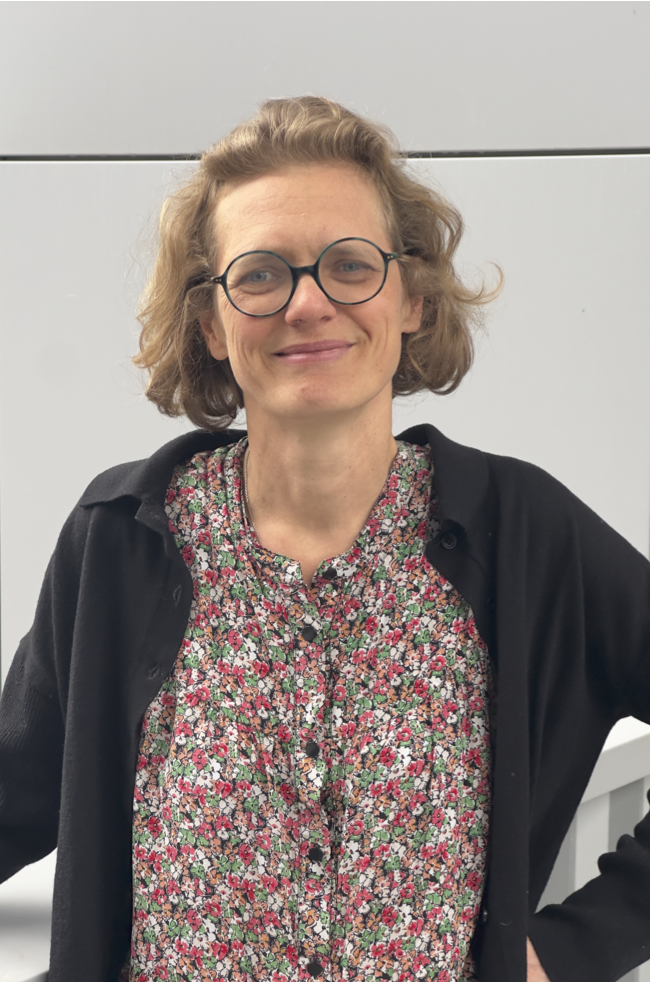 Since completing her thesis on droplet dynamics, particularly under sustained heating conditions, in 2004, Anne-Laure Biance has developed her research activities, mainly experimental, in the field of interfacial hydrodynamics in complex situations (nanofluidics, electrokinetics, bubble dynamics, soapy interfaces, wetting).
Daniel Braithwaite
IRIG-PHELIQS, Université Grenoble Alpes, CEA, Grenoble
Exploring Spin-Triplet Superconductivity in UTe2 in Extreme Conditions
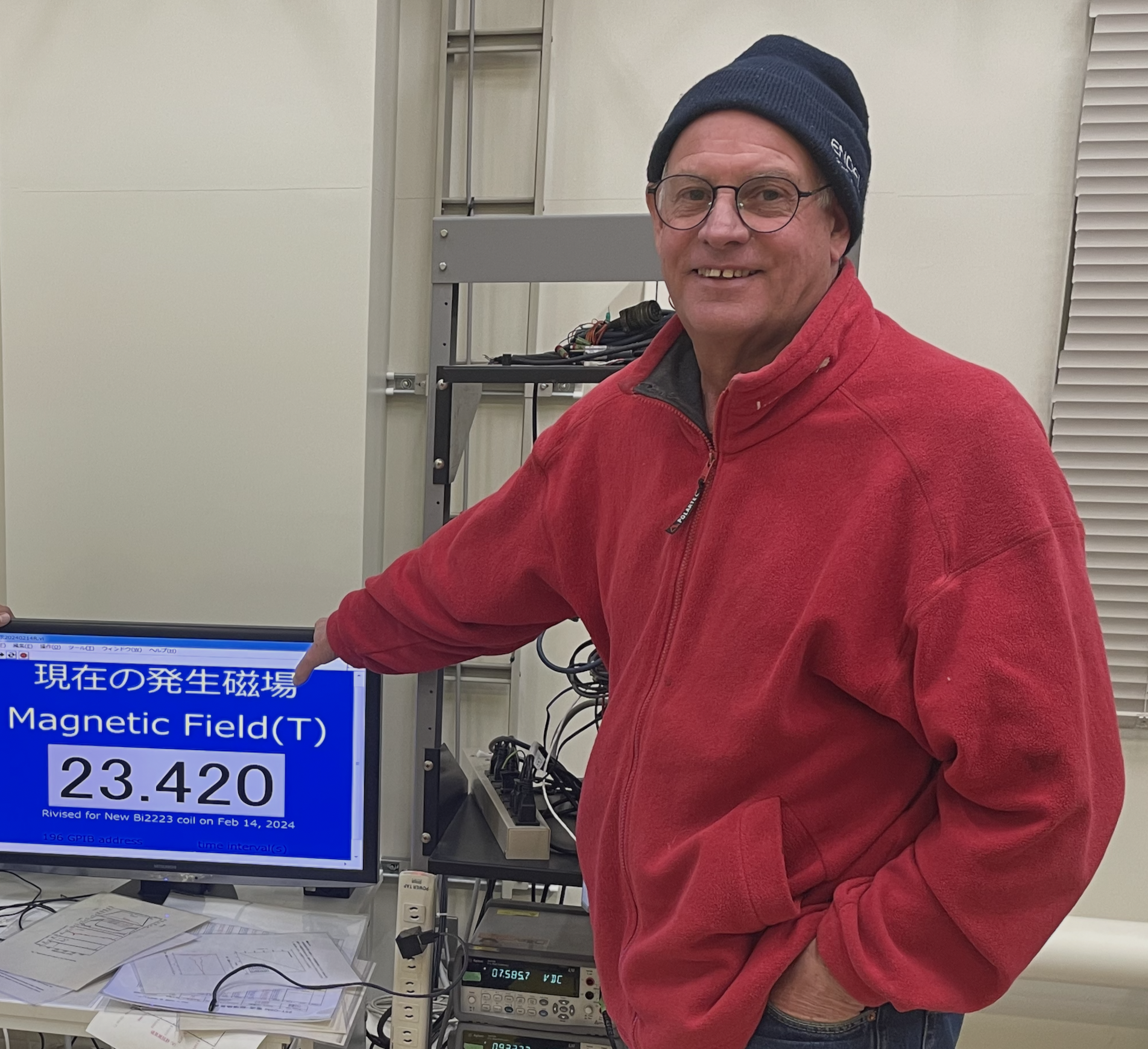 Daniel Braithwaite is Director of Research at the IRIG Institute of the CEA-Grenoble. His work combines the development of instrumentation dedicated to measurements under pressure and the conduct of experiments under extreme conditions — low temperatures, high magnetic fields and high pressures — applied to strongly correlated electron systems. He is particularly interested in unconventional superconductivity coexisting with ferromagnetic order in several heavy fermion compounds based on uranium. More recently, his research has focused on the UTe2 system, in which he has demonstrated the appearance of multiple superconducting phases under pressure.
Mairbek Chshiev
SPINTEC, Grenoble
Multiscale engineering of spin-orbit effects in nanostructures based on interfaces of transition metals, oxides and 2D materials
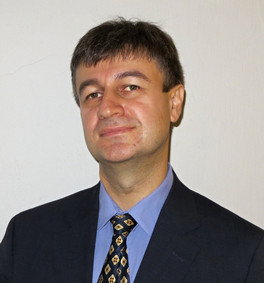 Prof. Mairbek Chshiev is a theoretical physicist specializing in spintronic phenomena and the electronic structure of materials for spintronics. His expertise spans condensed matter theory and computational materials science, including ab initio, tight-binding, and diffusive approaches. He earned his Ph.D. from Moscow State University (1997) and his Habilitation from Université Joseph Fourier (2008). After postdoctoral work in France and the USA, he joined the University of Alabama before moving to Grenoble in 2008 as a Chair of Excellence at SPINTEC, where he is the Head of Theory and Modeling Group. He also directed the European School on Nanosciences and Nanotechnologies (ESONN) between 2017 and 2023. He is an IEEE Senior Member and a member of APS, EMA, and was appointed Senior Member of the Institut Universitaire de France in 2020. He has made key contributions to understanding interfacial spin-orbit effects and coherent tunneling in magnetic tunnel junctions (MTJs) including on (i) perpendicular magnetic anisotropy at ferromagnet/oxide and MTJs as well as at ferromagnet/graphene interfaces; (ii) ballistic theory of spin and charge transport based on non-equilibrium Green function formalism that allowed description and prediction of bias voltage behavior of TMR and spin transfer torques in MTJs; (iii) Dzyaloshinskii-Moriya interaction (DMI) and its electric field control at ferromagnet/nonmagnet interfaces including prediction of skyrmions at ferromagnet/2D materials interfaces and stand-alone 2D magnets; (iv) spin-charge interconversion phenomena (spin orbit torques, spin Hall and Rashba effects); (v) prediction of magnetic insulator induced proximity effects in graphene. Overall, he published >150 papers in peer-reviewed journals and delivered >50 plenary and invited talks at international conferences and workshops.
Stéphane Collin
Centre de Nanosciences et de Nanotechnologies (C2N), Palaiseau
Thinner and more efficient solar cells?
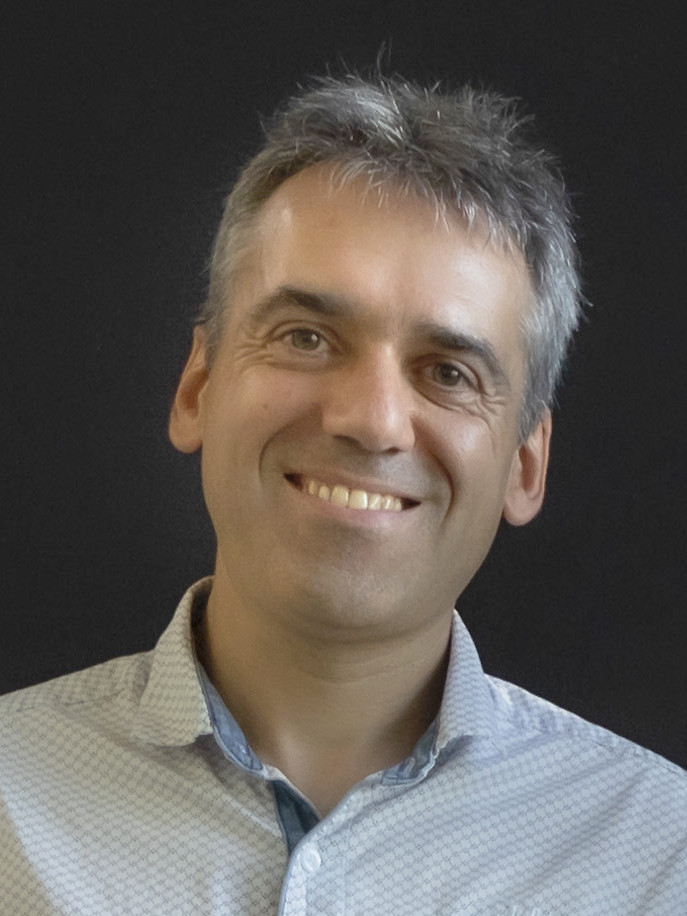 Stéphane Collin is a CNRS research director at the Centre for Nanosciences and Nanotechnologies (C2N) and is affiliated with the Ile-de-France Photovoltaic Institute in Palaiseau. His research focuses mainly on the fundamental properties of semiconductor nanostructures (light-matter interactions, carrier dynamics, optical spectroscopy) and their application to photovoltaic solar energy. His recent work is guided by the seemingly contradictory goal of making solar cells both more efficient and more material-efficient. He is developing new strategies to trap light in ultra-thin solar cells, combat the thermalisation of charge carriers (hot carriers), and combine different materials in tandem cells. His work is supported by ERC Synergy 2025 UltiMatePV, in collaboration with the University of Freiburg/Fraunhofer ISE (Germany) and EPFL/CSEM (Switzerland).
Aymeric Delteil
Groupe d'études de la matière condensée (GEMAC), Versailles
Top-down integrated quantum photonics with hexagonal boron nitride
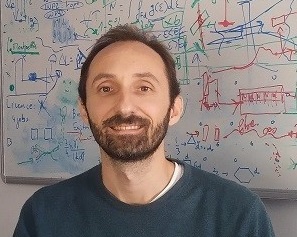 Aymeric Delteil has been a CNRS researcher at the GEMaC laboratory (CNRS/UVSQ/Université Paris-Saclay) since 2019. His research focuses on experimental quantum optics in semiconductors. He completed a postdoctoral fellowship at ETH Zurich, where he worked on quantum networks based on quantum dots, as well as the quantum properties of excitonic polaritons. His current research focuses on wide bandgap materials, in particular hexagonal boron nitride (hBN). He is developing methods for fabricating quantum emitters, exploring their integration into photonic structures, and studying their use in quantum optics experiments aimed at enabling the development of quantum technologies.
Christophe Eloy
Institut de Recherche sur les Phénomènes Hors Équilibre (IRPHE), Marseille
Navigation problems for plankton
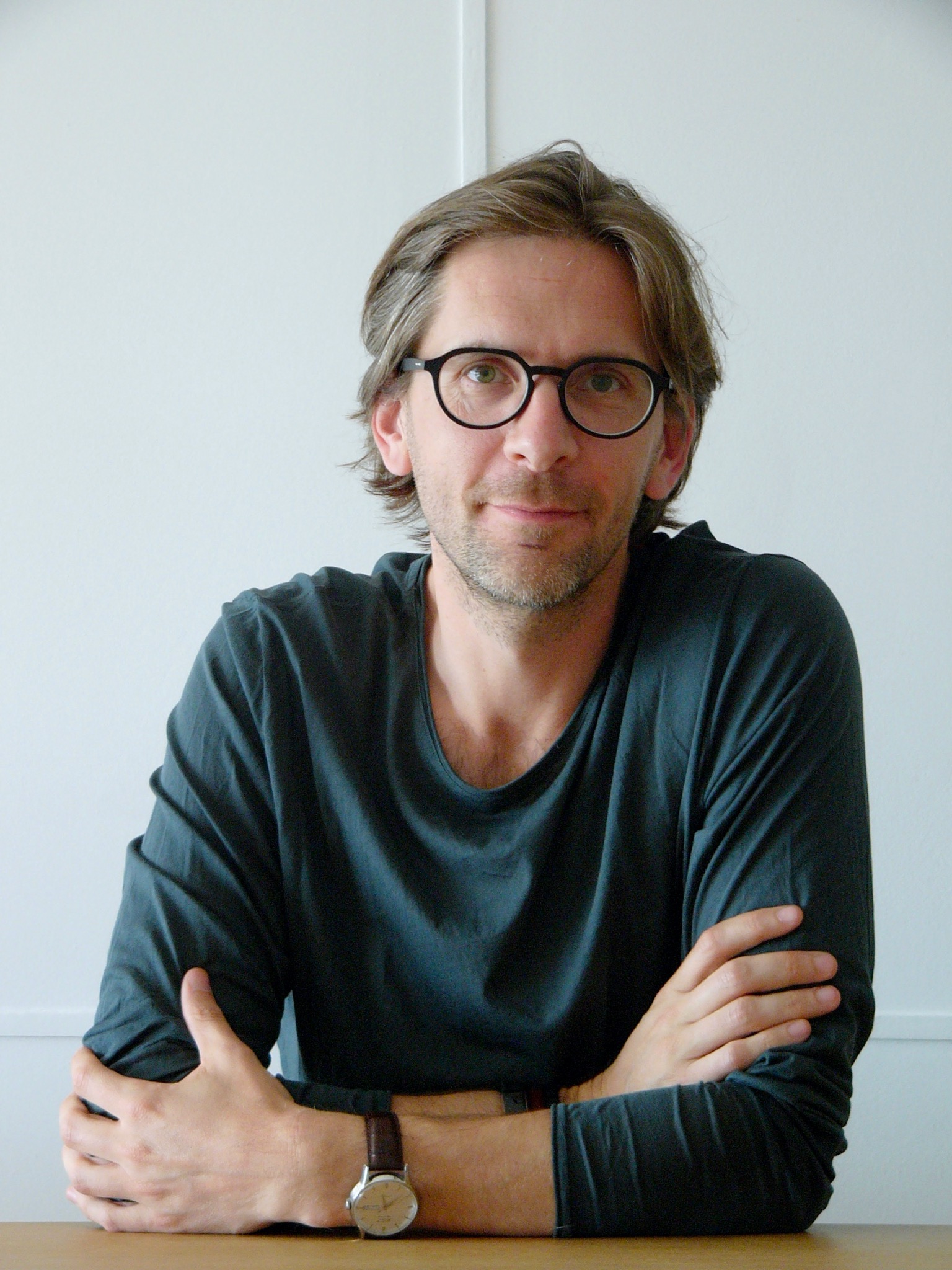 Christophe Eloy is a professor of mechanics at Centrale Méditerranée and conducts his research at the Institute for Research on Non-Equilibrium Phenomena (IRPHE). A physicist by training, his work lies at the interface of physics, mechanics, applied mathematics and biology. His current research focuses on fluid-structure interactions, locomotion at different scales, tree growth and mechanics, collective movements, bio-inspired robotics and the behaviour of plankton in flows.
Mathieu Kociak
Laboratoire de Physique des Solides (LPS), Paris
Nano-optics with fast electrons
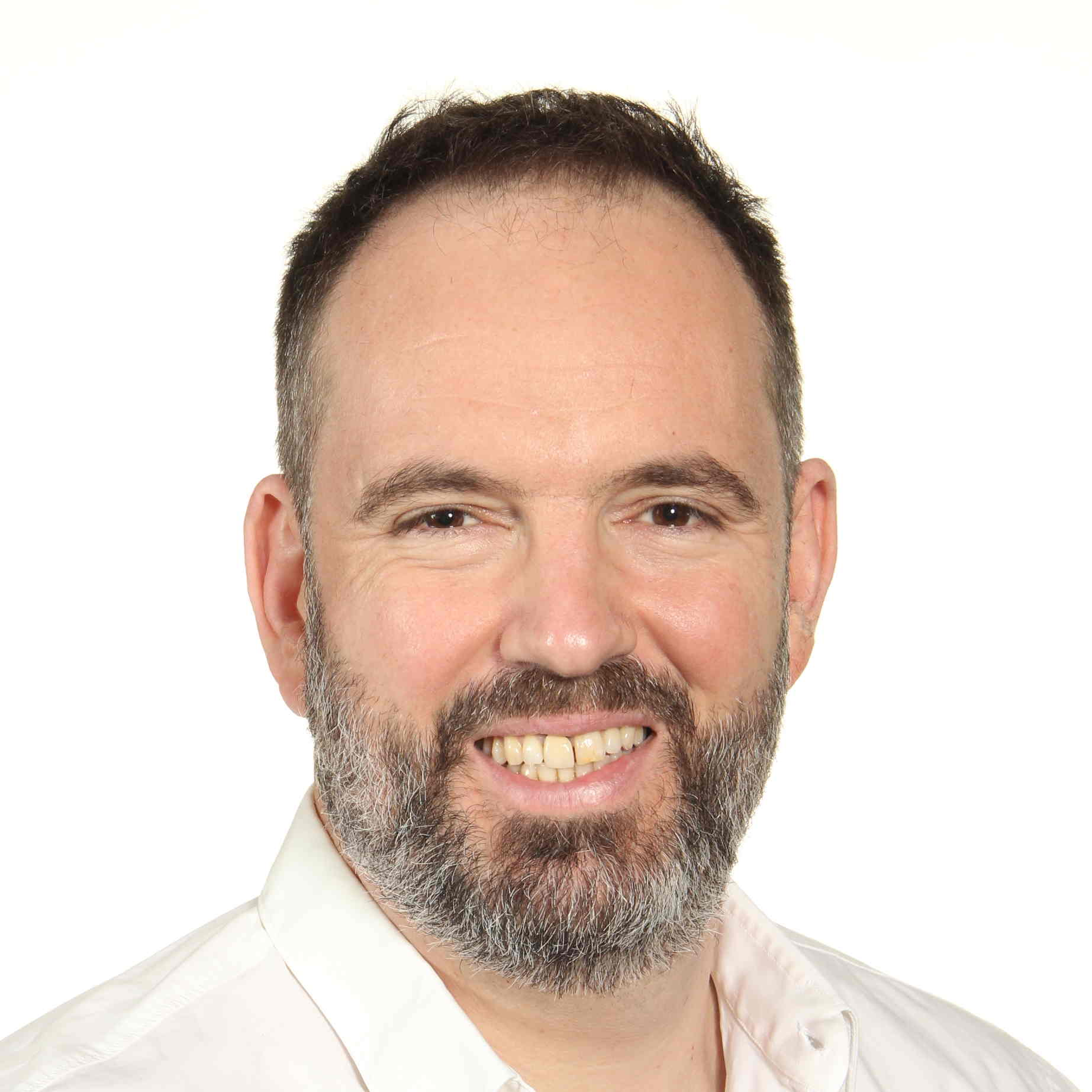 Mathieu Kociak is senior research director at the Centre National de la Recherche Scientifique (CNRS) in the STEM group at the Laboratory for Solid States Physics (LPS) in Orsay, France. His main research interests include the study of the correlations between the structure and the optical properties of individual nanoobjects, that he tackles through a combination of instrumental developments and experiments in electron microscopy and theory of the electron/matter/photon interaction.
Danijela Markovic
Laboratoire Albert Fert (LAF), Palaiseau
Quantum neuromorphic computing with superconducting circuits
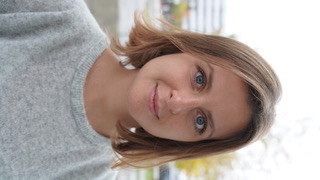 Danijela Markovic is a research fellow at the CNRS at the Albert Fert Laboratory (CNRS/Thales/Paris-Saclay University) and a lecturer at the École Polytechnique. A former student of the ENS Paris, she obtained her PhD in physics in 2017 at the Pierre Aigrain Laboratory, then completed a postdoctoral fellowship at the joint CNRS/Thales unit. Her research focuses on quantum neuromorphic computing based on superconducting circuits. As the recipient of an ERC Starting Grant (QDYNNET), she is developing dynamic quantum systems capable of learning. She is also involved in organising scientific events and teaching quantum physics and neuromorphic computing.
Sébastien Plissard
Laboratoire d'analyse et architecture des systèmes (LAAS-CNRS), Toulouse
Topological materials and superconductors at the wafer scale
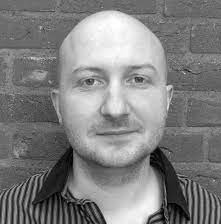 Dr. Sébastien Plissard is a specialist of crystal growth and material characterizations working at LAAS-CNRS, head of the Materials, Processes and Nanodevices (MPN) team. His principal interest lies in the integration of topological materials and superconductors on industrial substrates for quantum computing and spintronics applications. Since 2021 and the foundation of the Epicentre laboratory (https://epicentre.cnrs.fr/en/), which is a collaboration between the LAAS-CNRS and RIBER SA, a state-of-the-art MBE cluster is available for development of these materials, and their integration in new nanoscale devices. The realization of optimized hybrid junctions opens new perspectives for the realization of improved nanodevices.
Laurence Ramos
Laboratoire Charles Coulomb (LCC), Montpellier
Catching enzyme in action
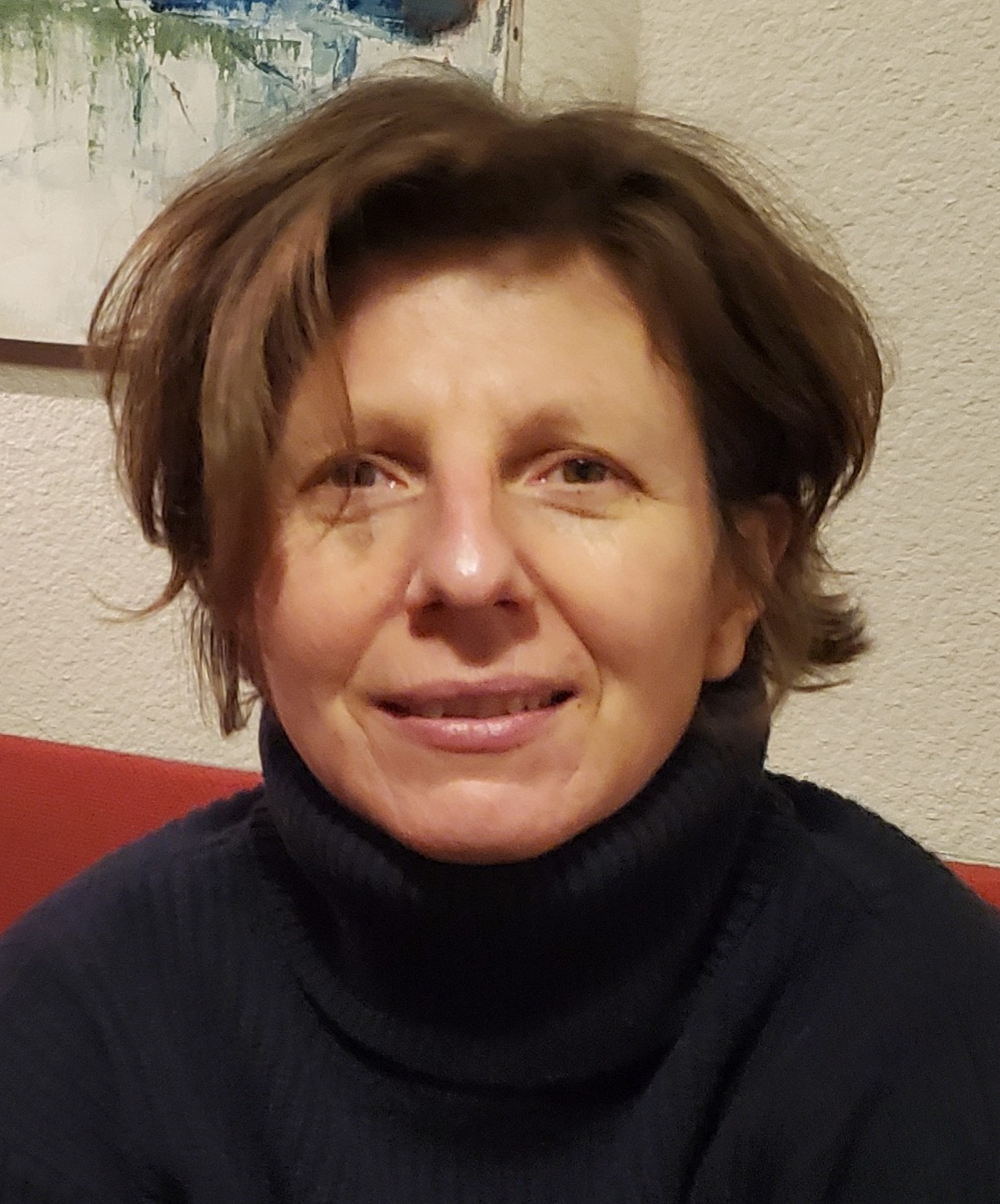 Laurence Ramos is a CNRS Research Director. As a soft matter physicist, she explores the links between structure, microscopic dynamics, and the mechanical and flow properties of various soft materials, including colloids, polymers, and proteins. A strong advocate for collaborative science, she is the founder and co-director of the the SLAMM (Solliciter la Matière Molle) Research Group, an initiative dedicated to fostering a wide-reaching community in soft matter. Additionally, she coordinates the "Edible Soft Matter" European doctoral network, bringing together interdisciplinary experts to tackle the urgent transitions in food and the environment.
Thomas Salez
Laboratoire Ondes et Matière d'Aquitaine (LOMA), Bordeaux
Brownian motion at interfaces
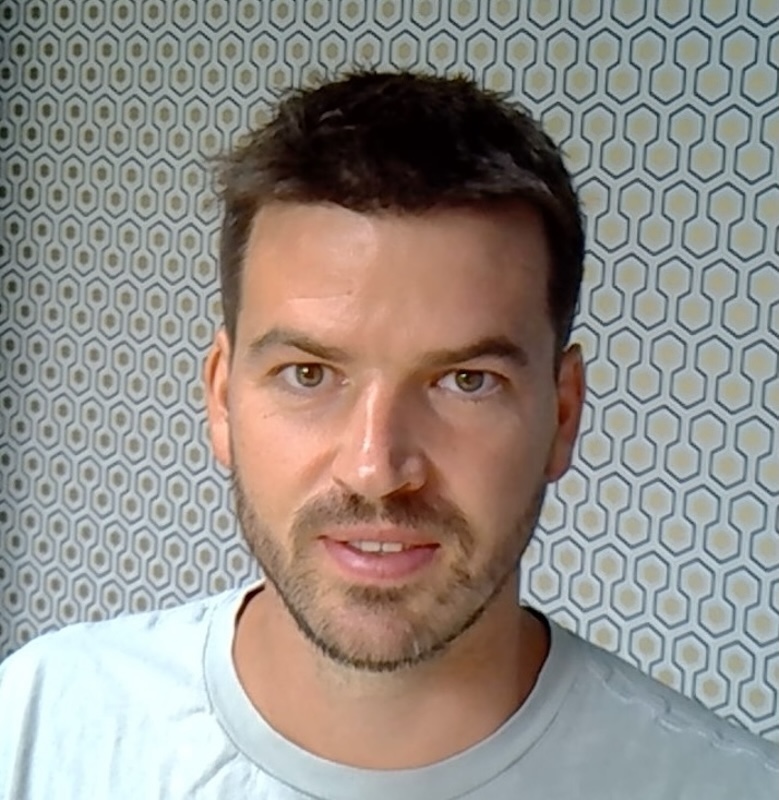 Thomas Salez is a CNRS Director of Research. He obtained his PhD from ENS Paris in 2011, where he developed an atomic cooling experiment at the Kastler Brossel Laboratory. He then joined the Gulliver Laboratory at ESPCI Paris, where he studied the physics of polymers and glass transition theoretically. Within the EMetBrown group, which he created in 2017 and leads at LOMA at the University of Bordeaux, he studies the properties of colloids, complex matter and microbiological systems at interfaces on an experimental, theoretical and numerical basis. He was awarded the CNRS Bronze Medal in 2018, the Michelin Prize from the French Academy of Sciences in 2023, and the ERC Consolidator Grant in 2021 and Proof of Concept Grant in 2025. He is associate editor of European Physical Journal E and a guest member of the collaborative research unit on complex matter at Hokkaido University in Japan and the Franco-Indian international research network on small-scale hydrodynamics and bioengineering. He also teaches master's courses at the University of Bordeaux and the Institut d'Optique. Finally, in 2017, he co-founded the start-up MesoMat in Canada, which aims to produce new materials and smart sensors for aeronautics and robotics.